By the Michael Turner Team
Curb appeal in Colorado Springs is a different challenge than it is almost anywhere else in the country. You are working with intense sun at altitude, dry air, sudden temperature swings, alkaline soil, and the occasional spring snowstorm that arrives long after you have put the shovel away. The landscaping ideas that look effortless elsewhere often struggle here, and the materials that hold up in milder climates can fade, crack, or wash out within a season or two.
The good news is that the high-desert conditions along the Front Range reward homeowners who plan with the climate in mind rather than against it. When you choose plants, hardscaping, and exterior finishes that are suited to elevation, low humidity, and decomposed granite soil, your home looks polished year-round and asks far less of you in upkeep. That combination of presentation and durability is exactly what buyers respond to when they pull up to a property.
This guide will walk you through curb appeal ideas that actually perform well in Colorado Springs, whether you are preparing to list or simply want a front yard that holds its own through every season the Front Range throws at it.
Key Takeaways
- High-desert curb appeal starts with plant choices that tolerate altitude, dry air, and rapid temperature swings rather than fighting against them.
- Xeriscaping and water-wise design keep your yard looking sharp while reducing the strain of Colorado's dry summers.
- Durable hardscaping materials, including decomposed granite, flagstone, and weathered steel, hold up better than softer materials under intense UV exposure.
- Exterior finishes and paint colors should account for strong sun at elevation, which fades color faster than at lower altitudes.
- Thoughtful seasonal touches keep your home presentable through snow, wind, and the long sunny stretches in between.
Choose Plants That Thrive at Altitude
The single biggest mistake in Front Range landscaping is planting greenery that belongs in a rainier, lower-altitude climate. Colorado Springs sits above 6,000 feet, where the air is thin and dry, the sun is unfiltered, and the growing season is short. Plants that need constant moisture and rich, loamy soil will struggle, leaving you with brown patches and a yard that demands daily attention. When you select species adapted to high-desert conditions, you get color and texture that look intentional and stay healthy with far less work.
Native and drought-tolerant plants are the foundation of curb appeal that lasts here. They are built for the alkaline, fast-draining soil and can handle a 40-degree temperature swing between afternoon and evening without flinching. Grouping plants by water requirements, a practice called hydrozoning, also helps you keep everything looking lush while using water efficiently.
Plants That Perform in Colorado Springs
- Blue grama and buffalo grass offer a soft, low-water alternative to thirsty turf and stay attractive through dry stretches.
- Russian sage, blue mist spirea, and Rocky Mountain penstemon add reliable color and handle full sun without fading or wilting.
- Yucca, agave, and ornamental grasses provide structure and movement while requiring almost no supplemental water once established.
- Piñon pine and Rocky Mountain juniper give you evergreen height and texture that read well in every season.
Embrace Xeriscaping and Water-Wise Design
Xeriscaping is often misunderstood as a yard full of gravel and a single cactus, but when done well, it is one of the most striking looks available to a Colorado Springs homeowner. The approach blends drought-tolerant plantings, mulch, and hardscape into a composed, layered design that looks deliberate and modern. Given the dry summers along the Front Range, a water-wise yard is also a practical selling point that buyers notice immediately.
The visual key to successful xeriscaping is contrast and layering. You want varied heights, a mix of fine and coarse textures, and pockets of seasonal color set against a clean base of stone or mulch. Decomposed granite and river rock in warm, regional tones tie the design to the landscape rather than looking imported. A well-planned xeriscape also reduces erosion on the sloped lots common throughout the area, keeping your beds intact through spring runoff and summer storms.
How To Make Xeriscaping Look Intentional
- Layer plant heights so that the design has depth, placing taller grasses and shrubs toward the back and low groundcover toward the front.
- Use mulch and stone in regional earth tones, so the palette feels connected to the surrounding foothills.
- Add boulders or stacked-stone accents to create natural focal points and break up open gravel areas.
- Repeat a few plant varieties in clusters rather than dotting single specimens around, so the result reads as designed rather than sparse.
Select Hardscaping and Materials Built for Sun and Soil
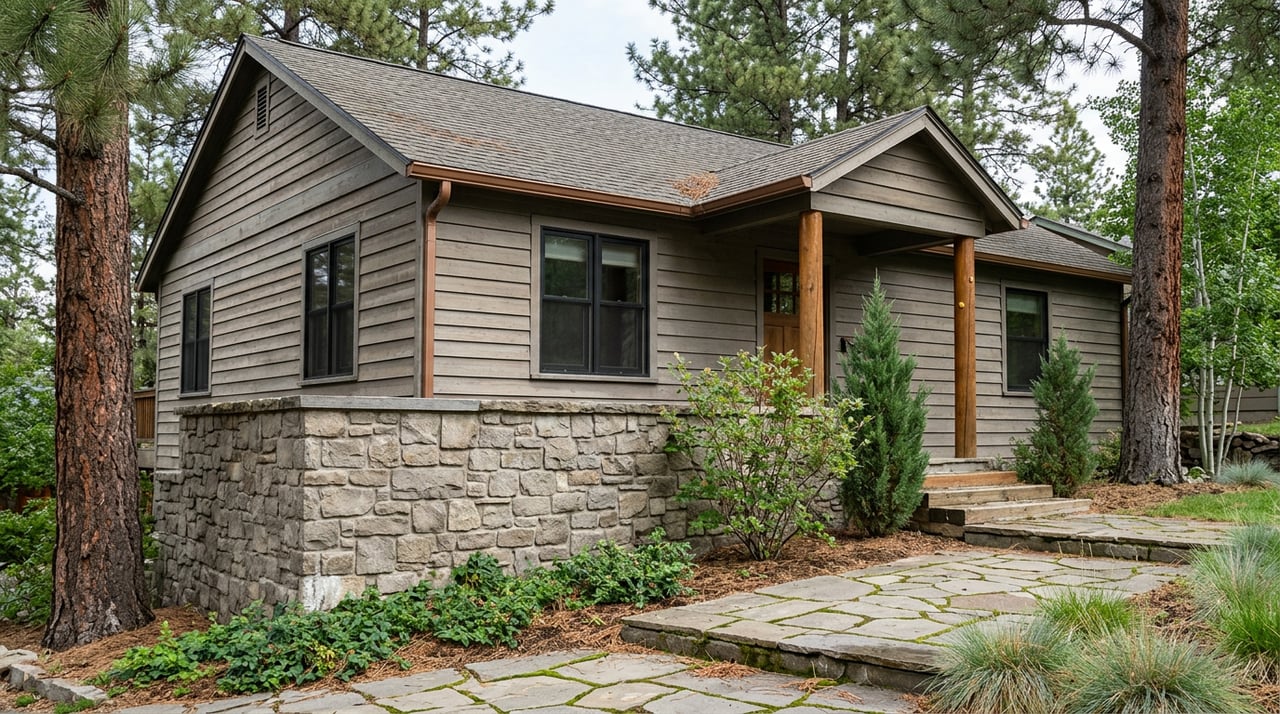
The intense ultraviolet exposure at altitude is hard on exterior materials. Softer woods gray and split, low-grade composites warp, and inexpensive pavers can heave as the soil freezes and thaws. Choosing durable, climate-appropriate hardscaping protects your investment and keeps the front of your home looking crisp for years. This is where many Colorado Springs homes either shine or show their age.
Flagstone and natural stone walkways are a regional favorite because they handle freeze-thaw cycles well and complement the natural setting. Weathered or powder-coated steel edging holds its shape and adds a clean, contemporary line that pairs nicely with native plantings. For driveways and walkways, properly installed pavers with the right base material resist the heaving that comes with Colorado's dramatic temperature shifts. Investing in quality at the base level, even where it is not visible, is what separates a surface that lasts from one that fails.
What To Look For In High-Desert Hardscaping
- Choose flagstone or natural stone for walkways, since it weathers gracefully and suits the regional aesthetic.
- Use steel or stone edging instead of plastic, which becomes brittle and cracks under prolonged UV exposure.
- Specify a deep, well-compacted base under any paver surface, so the driveway and walkways resist freeze-thaw heaving.
- Favor concrete, stone, and metal accents over softwoods, which weather quickly in dry, sunny conditions.
Refresh Exterior Finishes With the Sun in Mind
Color is one of the fastest ways to elevate curb appeal, but the strong sun at elevation changes the rules. Ultraviolet light is more intense in Colorado Springs than at lower altitudes, which means exterior paint fades faster and certain pigments break down sooner. Selecting high-quality, UV-resistant finishes and choosing colors that hold up under that exposure will keep your home looking fresh between repaints rather than chalky and washed out.
Earthy, mid-tone palettes tend to perform best here, both visually and practically. Deep sages, warm grays, clay tones, and muted blues complement the foothills backdrop and disguise the fine dust that settles in a dry climate. The front door is a high-impact, low-cost place to add a confident pop of color, and updated fixtures, house numbers, and a clean railing can sharpen the entry without a major project. When the finishes are intentional and well-maintained, the whole property signals that it has been cared for.
How To Choose Exterior Colors That Last
- Select premium, UV-resistant exterior paint, so color holds up against the sun at altitude.
- Lean toward earthy mid-tones that tie into the regional landscape and hide settling dust between cleanings.
- Add a saturated front-door color for a focused, budget-friendly upgrade that draws the eye to the entry.
- Update house numbers, light fixtures, and railings, since these small refinements read as overall care.
FAQs
What Is the Best Low-Maintenance Landscaping for Colorado Springs?
Xeriscaping with native, drought-tolerant plants is the most reliable low-maintenance option in Colorado Springs. Pairing water-wise plantings, including blue grama grass, Russian sage, and yucca, with mulch and stone gives you a polished look that needs minimal watering and holds up through the region's dry summers and short growing season.
Why Does Paint Fade Faster in Colorado's High-Desert Climate?
Colorado Springs sits at over 6,000 feet, where ultraviolet light is more intense and the air is dry. That stronger UV exposure breaks down paint pigments faster than at lower altitudes, so high-quality, UV-resistant finishes and durable mid-tone colors last noticeably longer here.
What Plants Survive Colorado's Temperature Swings?
Native and altitude-adapted plants handle the Front Range's dramatic daily temperature swings best. Russian sage, Rocky Mountain penstemon, ornamental grasses, yucca, and evergreens, including piñon pine and Rocky Mountain juniper, all tolerate the rapid shifts between warm afternoons and cold nights.
Make Your Home Stand Out on the Front Range
Curb appeal in Colorado Springs is not about importing a look that belongs somewhere else; it is about working with the high-desert climate. When your plants are suited to altitude, your hardscaping is built for freeze-thaw cycles, and your finishes are chosen for strong sun, your home looks intentional and stays that way through every season.
If you are thinking about updating your home's exterior or getting it ready to sell, we would love to help you make the smartest moves for your property and your timeline. Reach out to us at the Michael Turner Team at LIV | Sotheby’s International and let us guide you through curb appeal upgrades that work beautifully in Colorado Springs and add real value when it counts.