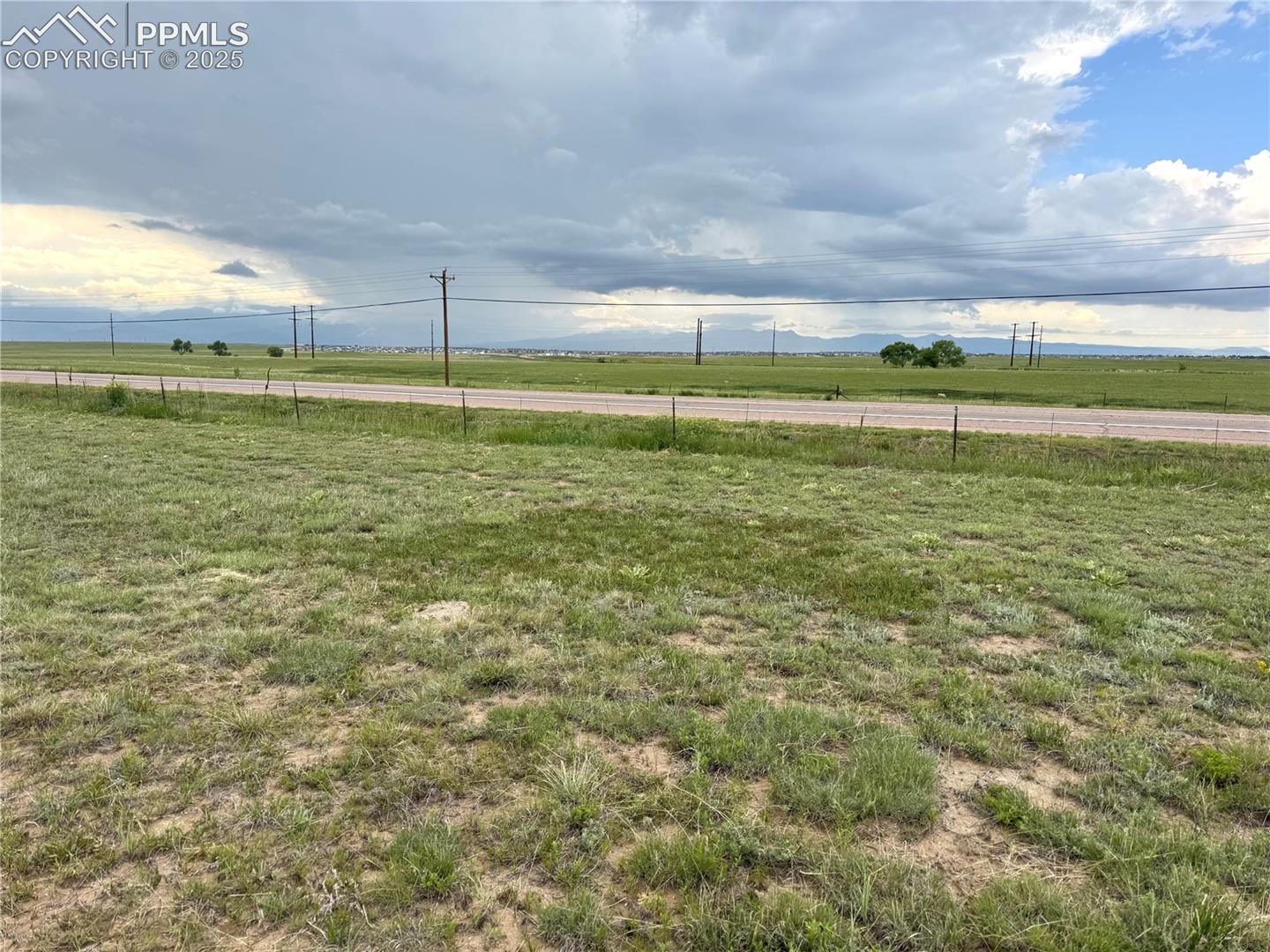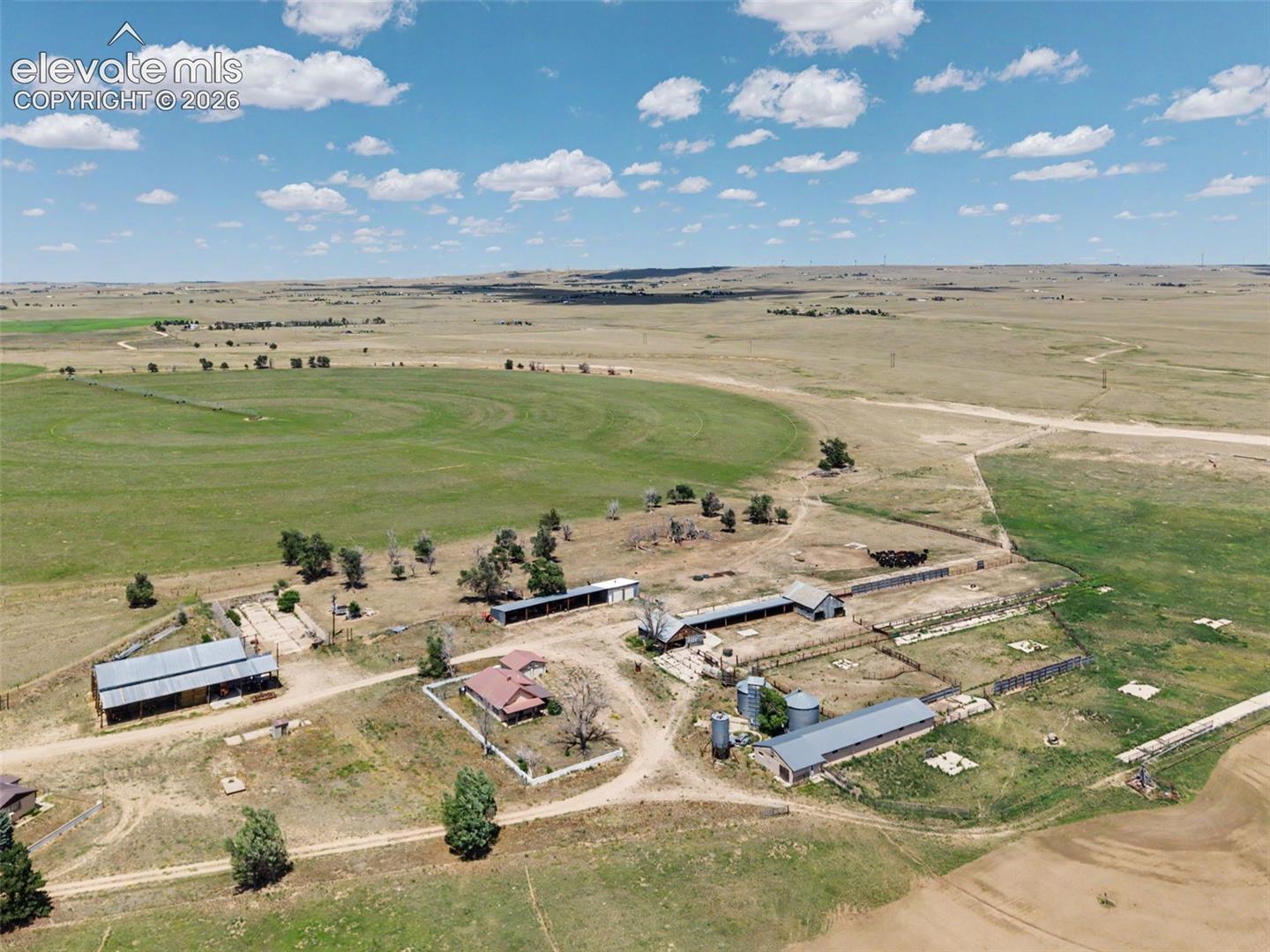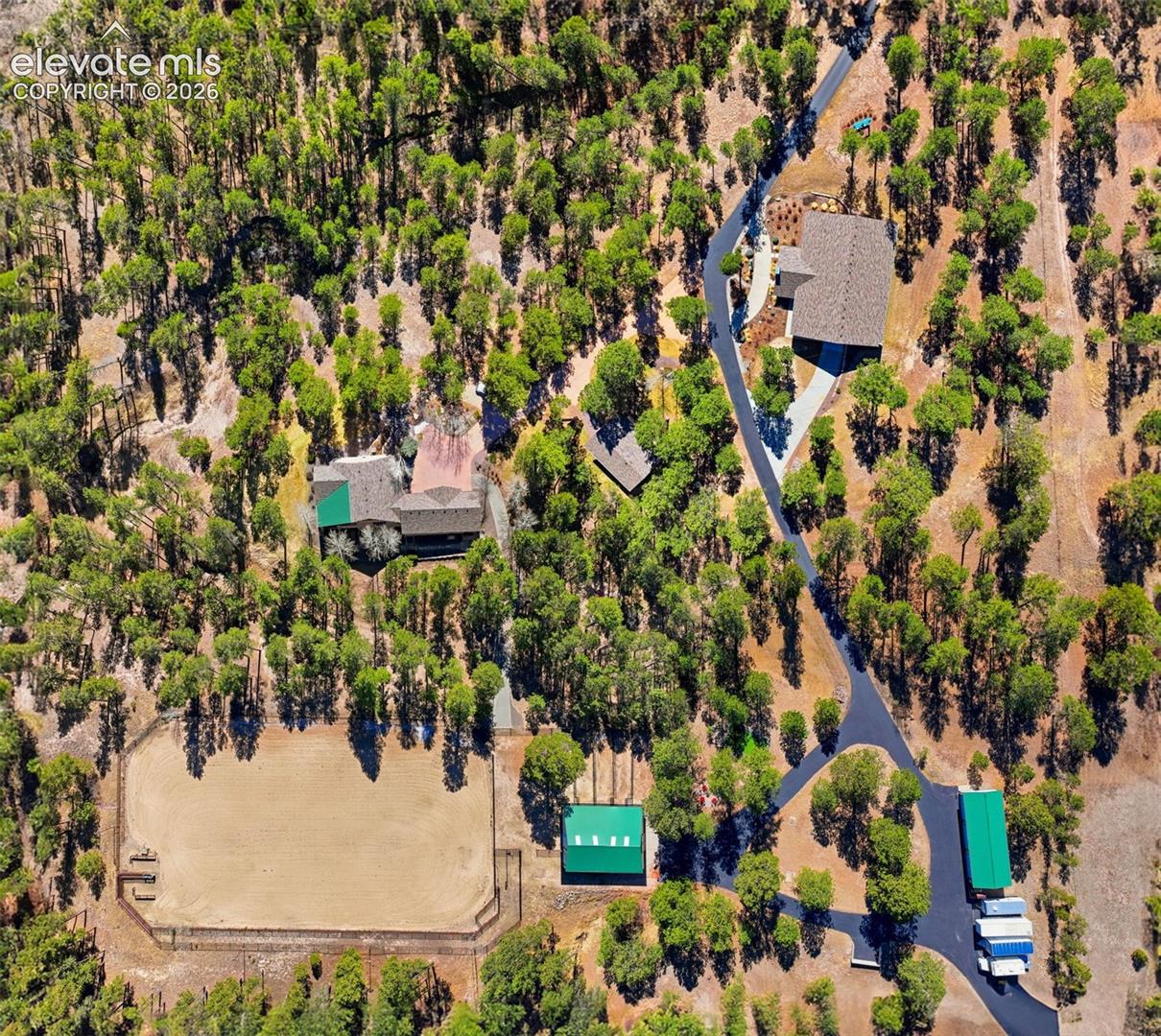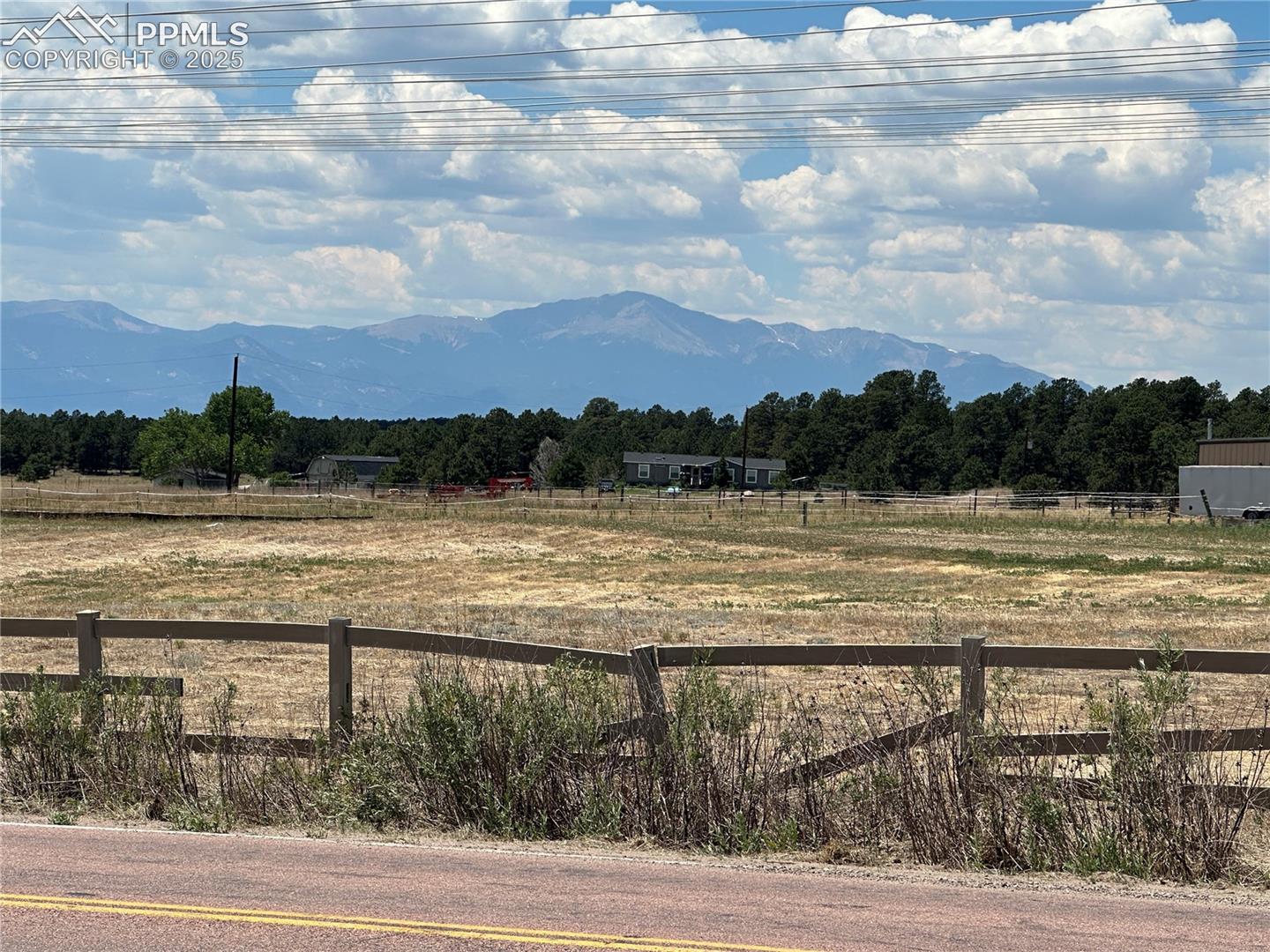
Wide-Open Colorado Living East of the Denver Metro
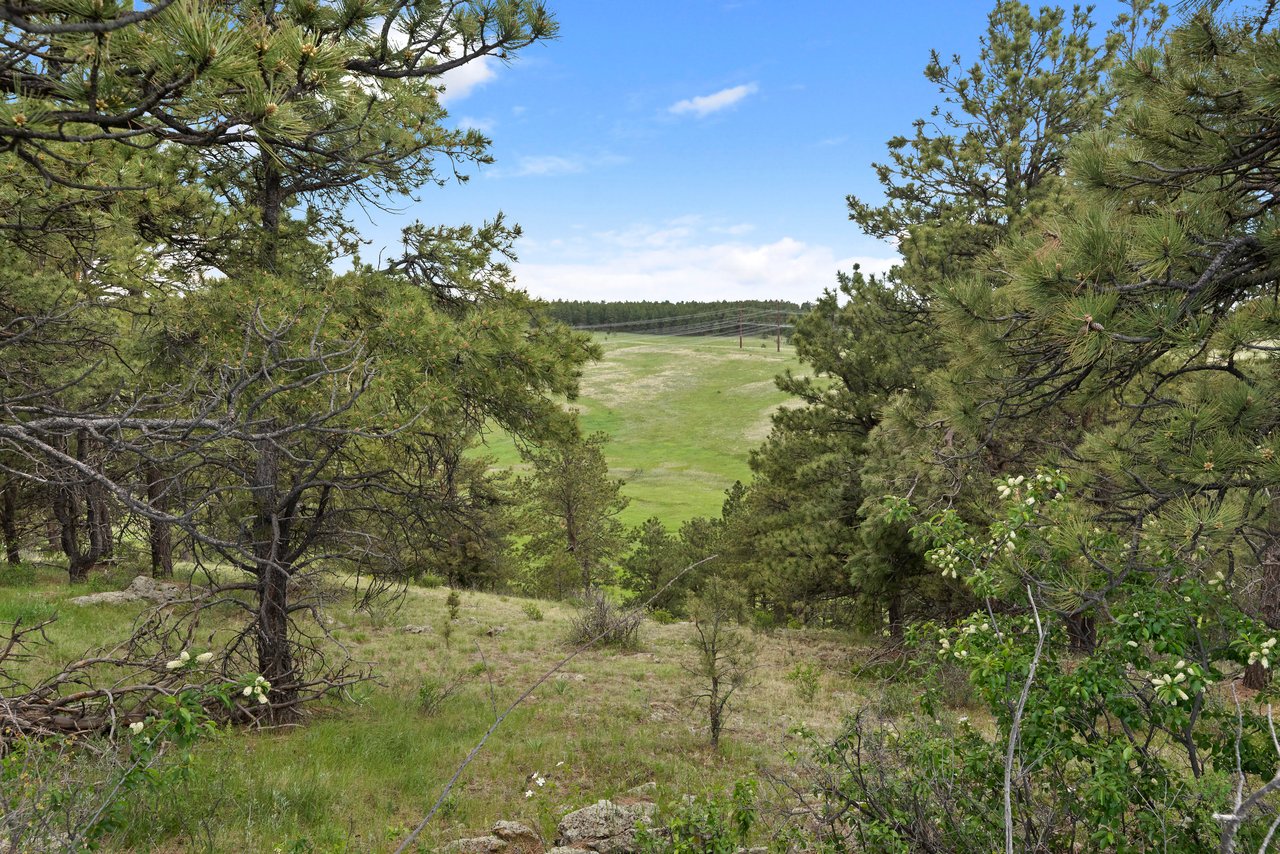
Elbert County, established in 1874 and named for Colorado Territorial Governor Samuel Hitt Elbert, is a rural county of wide-open plains, ranchland, and small towns situated just east of the Denver metro area and northeast of Colorado Springs. Ranking 22nd in size among Colorado's 64 counties at 1,851 square miles, Elbert County retains its agricultural character while offering residents genuine proximity to Denver's employment corridors — a combination of privacy and practicality that continues to draw buyers away from the state's more crowded Front Range suburbs.
Life in Elbert County is about open horizons, quiet mornings, and neighbors who pitch in when it matters. Most families live in or near the county's three small towns — Elizabeth, Kiowa, and Simla — each offering grocery stores, local restaurants, and friendly downtown areas without the density of Denver's suburbs. Residents enjoy a mix of rural tradition and new arrivals: longtime ranchers tending land held in the family for generations alongside families settling down for a slower pace and entrepreneurs starting homesteads.
The sense of community runs deep — Kiowa's Fourth of July parade, Elizabeth's bustling farmers market, and Elbert's community breakfasts all reflect a spirit of connection that sets the region apart. Days here often revolve around outdoor chores, kids on horseback, or local events at the county fairgrounds, with the state's fastest-growing metro area still just a short drive away when needed.
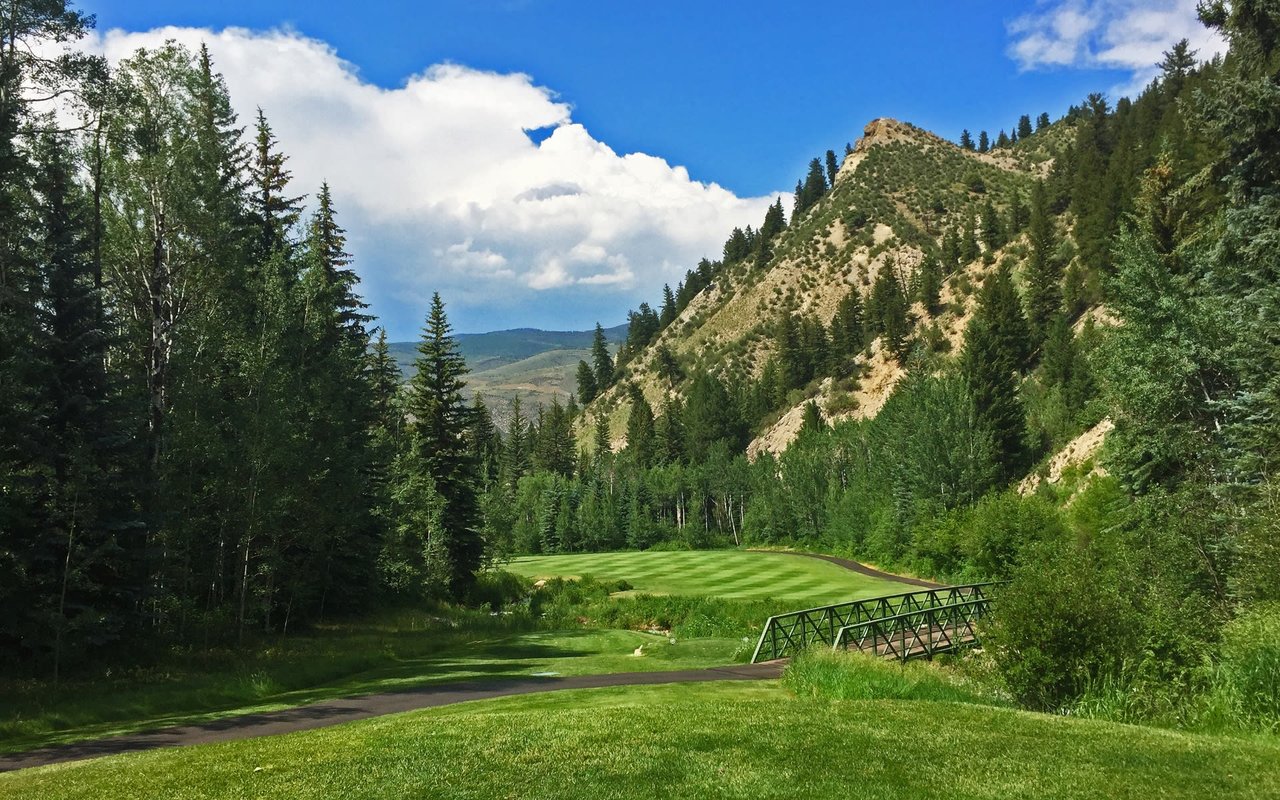
Elbert County's recreation is defined by its open land and rural character rather than resort-style amenities.
Elbert County was established in 1874, named for Samuel Hitt Elbert, a Colorado Territorial Governor. The county's economy has remained largely agricultural since its founding, and its plains and ranchland character has been deliberately preserved even as growth has crept outward from Denver and Colorado Springs. Kiowa serves as the county seat, though Elizabeth has grown into the county's largest town — a distinction that reflects the county's gradual, community-guided approach to development.
Elbert County's real estate market is defined by variety and breathing room. As of late 2025 and into 2026, the median sale price sits around $615,000 to $687,000 depending on the data source and time period, with the average home value at approximately $687,219 — homes are generally taking longer to sell than in prior years, averaging around 77 days on market.
Explore available homes for sale in Elbert County, CO today.
Elbert County is served by small, community-focused school districts that prioritize individual attention and hands-on learning — a genuine draw for families who want a close-knit alternative to larger suburban districts.
In addition to its schools, Elbert County offers a safe, close-knit environment with community events, county fairgrounds programming, and space for kids to grow up around animals, land, and genuine outdoor freedom.
Elbert County is rural by design, and most residents commute by personal vehicle to nearby employment centers.
Elbert County's rural character supports a genuinely low-density, low-crime environment. Local law enforcement and volunteer and rural fire protection districts serve the county's towns and surrounding ranchland. For healthcare, residents typically travel to Parker, Castle Rock, or Colorado Springs for hospital-level care, with smaller clinics available locally for everyday needs.
Elbert County's economy remains largely agricultural, with ranching and farming continuing to define much of the local land use. Most residents commute to nearby metro areas — Parker, Castle Rock, Denver, and Colorado Springs — for employment in healthcare, education, technology, and professional services, while enjoying the space, privacy, and lower cost of living that Elbert County offers relative to those markets.
Elbert County's leaders and residents have worked to preserve the county's rural feel even as growth pressure from the Denver and Colorado Springs metro areas continues. Large-lot zoning, limited HOA presence, and a slow, deliberate approach to subdivision development help protect the open plains and ranchland character that defines the county, while state wildlife areas and open space provide habitat protection and outdoor recreation access for residents.
What types of homes are available in Elbert County, CO?
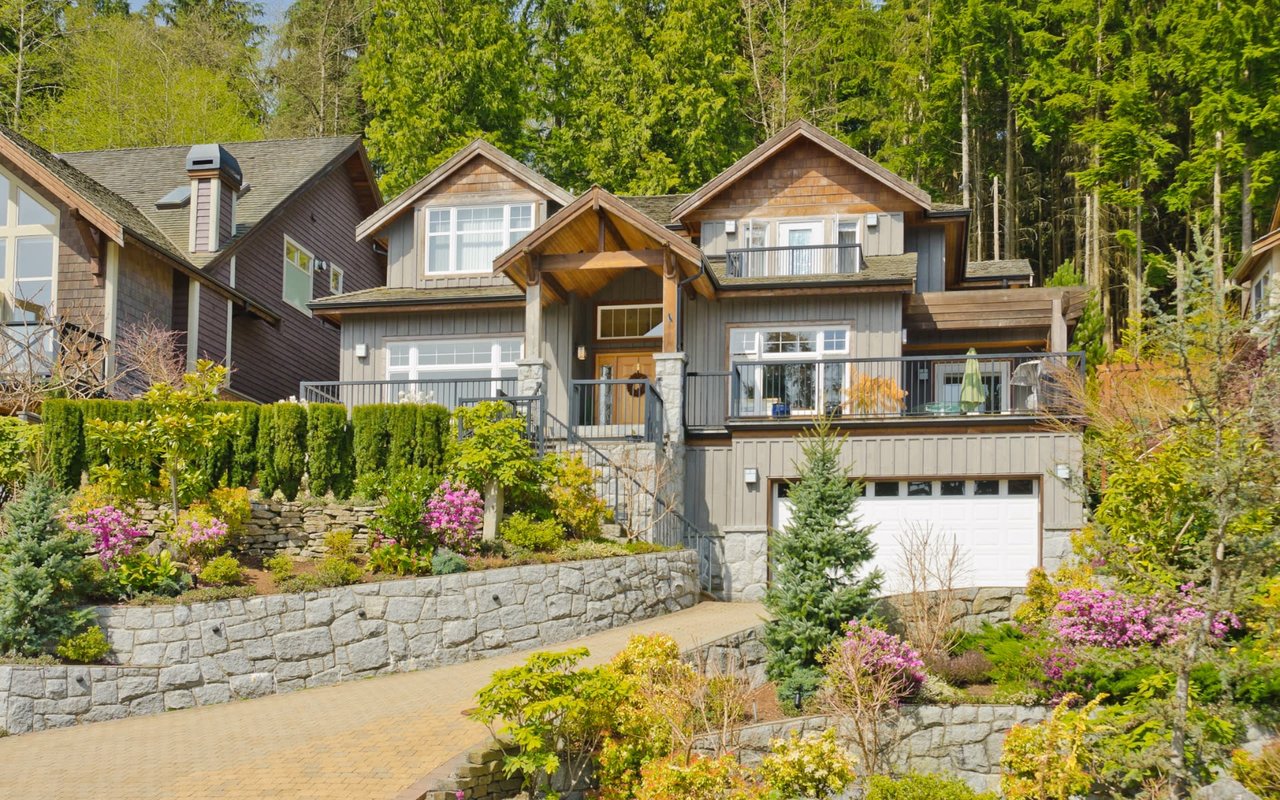
Elbert County offers ranch homes, country estates, modern farmhouses, log cabins, and rural acreage properties, many with barns, outbuildings, and fenced pasture for horses or livestock, alongside newer-build subdivisions in Elizabeth offering more accessible price points.
Is Elbert County a good place to live?
Yes, particularly for buyers seeking privacy, space, and a genuine rural lifestyle within reach of the Denver metro. Its wide-open land, few HOAs, and close-knit small towns offer a meaningfully different experience than the suburban corridors closer to Denver and Colorado Springs.
What outdoor activities are available in Elbert County?
Residents enjoy hunting, birdwatching, and hiking at nearby state wildlife areas, horseback riding across the county's open land, and community events at the county fairgrounds. The rural landscape supports everything from gardening to raising livestock.
Is Elbert County family-friendly?
Yes. Elizabeth and Kiowa school districts are small and community-focused, offering individual attention that's increasingly rare in larger suburban districts. Safe small towns, open space, and a strong sense of community make Elbert County appealing for families who want room to grow.
What is the commute like from Elbert County?
Most residents commute by personal vehicle via State Highways 86 and 24, with drive times to Parker, Castle Rock, and Denver metro employment centers generally ranging from 30 minutes to 90 minutes depending on the specific town and destination. Colorado Springs is roughly 45 minutes to an hour from the county's southern communities.
What is the average home price in Elbert County, CO?
As of late 2025 into 2026, the median sale price is approximately $615,000 to $687,000, though pricing varies significantly — from more accessible homes in Simla in the $300,000s to acreage estates and newer subdivisions in Elizabeth that can exceed $900,000 or more.
Is Elbert County a good real estate investment?
Yes. Elbert County's limited HOA presence, large-lot zoning, agricultural economy, and proximity to the growing Denver and Colorado Springs metro areas support long-term demand from buyers seeking privacy and acreage without leaving the broader Front Range region.
What is the lifestyle like in Elbert County?
Life here is defined by open land, ranching heritage, and close-knit small towns. Residents value privacy, self-reliance, and a slower pace, while still enjoying reasonable access to Denver and Colorado Springs for employment, healthcare, and shopping when needed.
154 people live in Elbert County, where the median age is 66.7 and the average individual income is $57,001. Data provided by the U.S. Census Bureau.
Total Population
Median Age
Population Density Population Density This is the number of people per square mile in a neighborhood.
Average individual Income
There's plenty to do around Elbert County, including shopping, dining, nightlife, parks, and more. Data provided by Walk Score and Yelp.
Elbert County has 73 households, with an average household size of 2.11. Data provided by the U.S. Census Bureau. Here’s what the people living in Elbert County do for work — and how long it takes them to get there. Data provided by the U.S. Census Bureau. 154 people call Elbert County home. The population density is 1 and the largest age group is Data provided by the U.S. Census Bureau.
Total Population
Population Density Population Density This is the number of people per square mile in a neighborhood.
Median Age
Men vs Women
Population by Age Group
0-9 Years
10-17 Years
18-24 Years
25-64 Years
65-74 Years
75+ Years
Education Level
Total Households
Average Household Size
Average individual Income
Households with Children
With Children:
Without Children:
Marital Status
Blue vs White Collar Workers
Blue Collar:
White Collar: