By Michael Turner Team
Black Forest sits on a high plateau northeast of Colorado Springs, where the elevation hovers around 7,200 feet and ponderosa pines stretch across wide, quiet lots. If you're relocating from out of state, the appeal is immediately obvious: expansive stretches of land, low density, and a pace of life that feels genuinely removed from the metro grind. But buying a home here is a different process than buying in a traditional subdivision or an amenity-rich urban neighborhood, and buyers who come in without the right framework often overlook things that matter.
This guide is built specifically for out-of-state buyers evaluating homes in Black Forest. The features that make a property here stand out aren't always the ones you'd prioritize in another market. Knowing what to look for before you make an offer means fewer surprises after closing.
Whether you're drawn to Black Forest for the acreage, the wildlife, the riding trails, or the proximity to Colorado Springs, the information below will help you evaluate properties with clarity and confidence.
Key Takeaways
- Black Forest properties operate with unique infrastructure that out-of-state buyers need to evaluate carefully, including well water, septic systems, and propane heating.
- Lot size and land condition matter as much as the home itself; tree density, slope, and fire mitigation status directly affect insurance costs and long-term maintenance.
- Colorado's high altitude and dry climate affect how homes perform, and buyers should look closely at how a property is weatherized and how its systems handle seasonal stress.
- Older Black Forest homes vary widely in build quality, so understanding what to inspect gives you a real advantage in negotiations.
Understanding Water and Utility Infrastructure
One of the first factors to understand about Black Forest is that most properties are not on city water or sewer. If you're relocating from a market where municipal utilities are standard, this will be a meaningful shift. The majority of homes in the area rely on private wells and septic systems, and the condition of both should be thoroughly evaluated before closing.
For wells, the questions to ask are about depth, recovery rate, and water quality. A well inspection will reveal how quickly the water replenishes after use, which is especially relevant in dry years or during summer months when demand is higher. You'll also want a water quality test that screens for common contaminants found in the area, including nitrates, bacteria, and naturally occurring minerals.
Septic systems are inspected separately and should be pumped and inspected before purchase. Ask for records on the last service date and whether the system has ever been upgraded or repaired. Replacing a septic system is a significant expense, and a failed system isn't a minor inconvenience; it affects the livability of the home entirely. For out-of-state buyers unfamiliar with this process, it can feel like a lot of extra steps, but these inspections are standard here and protect you considerably.
What To Confirm Before Closing on Utilities
- Well depth, recovery rate, and water quality test results, ideally from a state-certified lab.
- Septic inspection performed by a licensed inspector, including a current pump-out and a system map.
- Propane tank size, ownership status (owned versus leased), and fill history if available.
- Whether the property has solar, backup generator hookups, or any off-grid components that need to transfer properly at closing.
- Verification that propane or electric providers service the exact parcel, since some remote areas have delivery limitations.
Evaluating the Land and Lot Conditions
In Black Forest, the land itself is a major part of what you're buying. Lots typically range from one to five acres or more, and the condition of that acreage has real implications for insurance costs, fire risk, and ongoing upkeep. Out-of-state buyers who focus only on the home footprint often underestimate how much the surrounding land factors into the overall picture.
Fire mitigation is a significant topic in Black Forest. Properties with documented fire mitigation work, including cleared defensible space, properly spaced trees, and maintained perimeters around the structures, are generally more insurable and may qualify for better rates. When you're evaluating a property, ask whether mitigation has been performed and whether there are records. Some sellers have had professional assessments done; others haven't touched the land in years.
Tree density and health also matter. Ponderosa pines are central to the character of the neighborhood, but trees that are too dense, diseased, or positioned close to the home can present risks and add to maintenance costs. A walk of the property with an eye toward spacing, dead wood, and proximity to rooflines gives you a sense of what you might need to address. Some buyers bring in a certified arborist during due diligence, particularly on larger lots.
Land Features To Assess During Your Walkthrough
- Defensible space around the home and outbuildings, looking for cleared zones.
- Tree health and spacing throughout the lot, noting any dead or leaning trees that would require removal.
- The driveway condition, including length, grade, and whether it can be navigated in the winter without four-wheel drive or specialized equipment.
- Drainage patterns across the property, since low-lying areas and clay-heavy soil can pool water after snow melt or heavy rain.
- Any structures beyond the main home, such as barns, workshops, or fencing.
How Colorado's Climate Affects What To Inspect
Black Forest sits at a high elevation in a semi-arid climate with significant seasonal swings. Winters bring sustained cold and periodic heavy snowfall; summers are dry and can include afternoon thunderstorms. These conditions affect how homes age and how they perform, so your inspection priorities here should account for factors that may not have been on your radar in a lower-elevation or more temperate market.
Roof condition is one of the most important items to scrutinize. At this elevation, roofs face UV degradation, hail damage, and heavy snow loads. Ask the inspector specifically about hail impact and whether the roof has been replaced or repaired after any storm events.
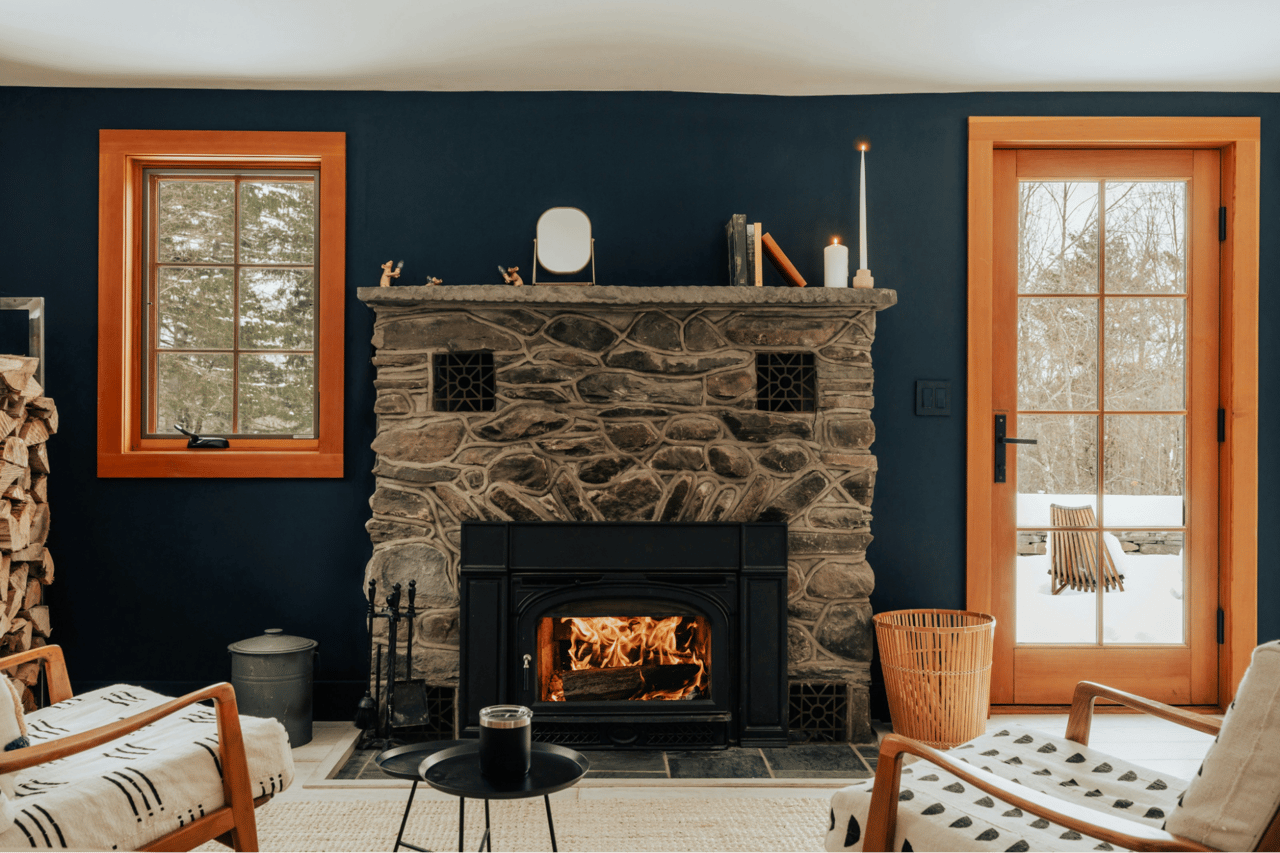
HVAC systems in Black Forest homes are almost universally heating-forward, and the most common setup is forced-air propane with central air conditioning for summer. Inspecting the furnace, ductwork, and any supplemental heating sources like wood-burning fireplaces or pellet stoves tells you about the home's heating reliability and efficiency. Wood stoves and fireplaces are popular here and add value, but they need to be inspected for proper clearances, liner condition, and code compliance.
Inspection Points Specific to High-Altitude Rural Homes
- Roof age, material, and condition with specific attention to hail impact and UV wear.
- Furnace condition, age, and service records; propane systems should be inspected for leaks and proper combustion.
- Foundation and crawl space or basement condition, since expansive soils are present in parts of El Paso County and can cause movement over time.
- Window and door seals, since thermal performance drops significantly in older single-pane windows at altitude.
- Any wood-burning appliances, including fireplaces, inserts, and standalone stoves, should be assessed for liner integrity and safe installation.
Reading the Home's Build Quality and Age
Log homes and timber frame construction appear fairly frequently in Black Forest and tend to attract buyers who love the aesthetic. These homes require maintenance specific to their construction type, including regular log treatments, checking for chinking integrity, and monitoring for moisture intrusion at joints and corners. They're beautiful and can be extremely well-built, but they are not maintenance-free.
Pay attention to additions and modifications during your tour. When homeowners have added square footage or finished a basement without permits, it can create issues at resale and may not meet current code requirements. Ask for permit history on any additions, and make sure the inspection covers those areas thoroughly.
Quality Markers To Note During Your Tour
- Consistent finish quality throughout, particularly in kitchens, bathrooms, and mechanical rooms.
- Evidence of moisture intrusion around windows, exterior walls, and in lower-level spaces, since bulk water management is critical in snow-country climates.
- Electrical panel age and capacity, since older homes may have panels that don't meet the demands of modern appliance loads.
- Garage and outbuilding construction quality, since these structures add real value in this market and should be evaluated the same way as the main home.
- Heating zone coverage to confirm that all areas of the home are adequately served, particularly in larger or multi-level properties.
FAQs
Do Most Black Forest Homes Have Basements?
Many homes in Black Forest do include basements, but it's not universal. Because of variable soil conditions across the area, some builders used crawl spaces or slab construction instead. When a basement is present, it's worth inspecting carefully for moisture management and wall integrity, since expansive clay soils in parts of El Paso County can exert pressure on foundation walls over time.
What Should I Know About Propane Heating Before Buying?
Propane is the primary heating fuel for many Black Forest homes, so understanding the setup matters. The main things to clarify are whether the tank is owned or leased, the tank size relative to the home's heating load, and whether the seller has a contract with a specific propane supplier. Owned tanks give you flexibility to shop for the best rate; leased tanks typically require you to stay with the supplier until the lease ends.
Make Your Move With Confidence
Relocating to Black Forest is an exciting step, and the properties here offer something genuinely hard to find in most markets: land, elevation, quiet, and character. But buying a rural property in Colorado requires a more hands-on evaluation process than buying in a traditional subdivision, and out-of-state buyers who come prepared are the ones who negotiate from a position of strength.
The Michael Turner Team at LIV | Sotheby’s International knows Black Forest and the surrounding El Paso County market inside and out. We work with out-of-state buyers regularly and understand the unique considerations that come with purchasing in this area. When you're ready to start your search or want to talk through what you've seen so far, reach out to us.