By the Michael Turner Team
When you're selling a home with endless land and remarkable mountain views, the staging rules that apply to a typical suburban listing simply don't translate. You're not just selling square footage; you're selling a way of life. The expanse of land, the unobstructed sightlines to the peaks, the sense of privacy and open space — these are the features that drive buyers to the Colorado Front Range foothills, and your staging strategy needs to lead with them, not bury them.
Properties with acreage present a unique challenge: there's more to prepare, more to style, and far more to lose if the presentation falls flat. A poorly staged luxury home in a city high-rise can still rely on its address and amenities to carry interest. But a five-acre property with a view of Pikes Peak needs intentional presentation to ensure that buyers experience what makes it irreplaceable from the moment they arrive. The land has to feel purposeful, the home has to feel like it belongs to the landscape, and every room has to reinforce the scale and beauty outside its windows. These tips will help you work with what you have and present your property at its highest potential.
Key Takeaways
- Staging homes with acreage and mountain views requires a different strategy than staging standard residential properties.
- The exterior and land must be staged as deliberately as the interior, since buyers assess the property from the moment they turn onto the driveway.
- Furniture arrangement and window treatments should prioritize framing the mountain views, not competing with them.
- Outdoor living areas should be styled to feel like true extensions of the home, particularly when buyers are evaluating the full value of the land.
- Neutral, nature-inspired interiors photograph better and allow buyers to envision themselves in the space without distraction.
Start with the Land, Not the Living Room
The most common staging mistake sellers make on acreage properties is treating the land as an afterthought. In Colorado's foothills markets, the land is often the centerpiece of the purchase decision. Buyers who are searching specifically for properties with mountain views and open space have already filtered out everything else. What they're evaluating is how the land feels, how it flows, and whether it matches the lifestyle they have in mind.
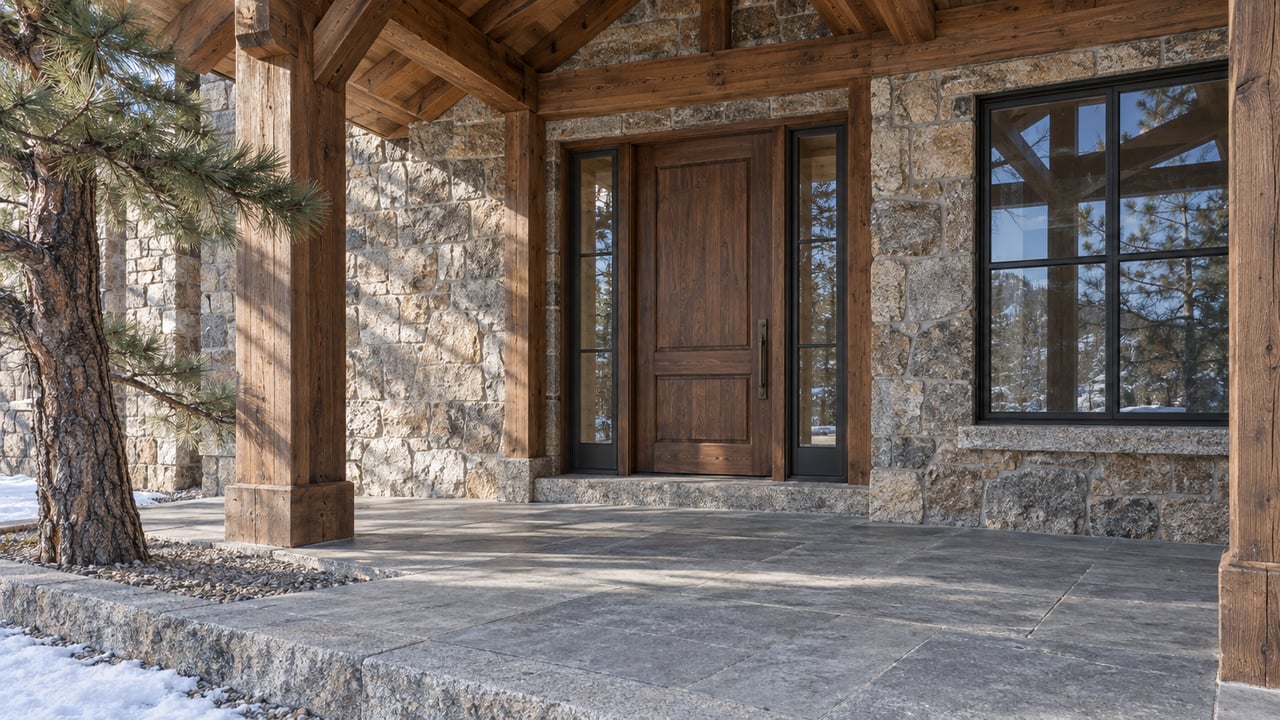
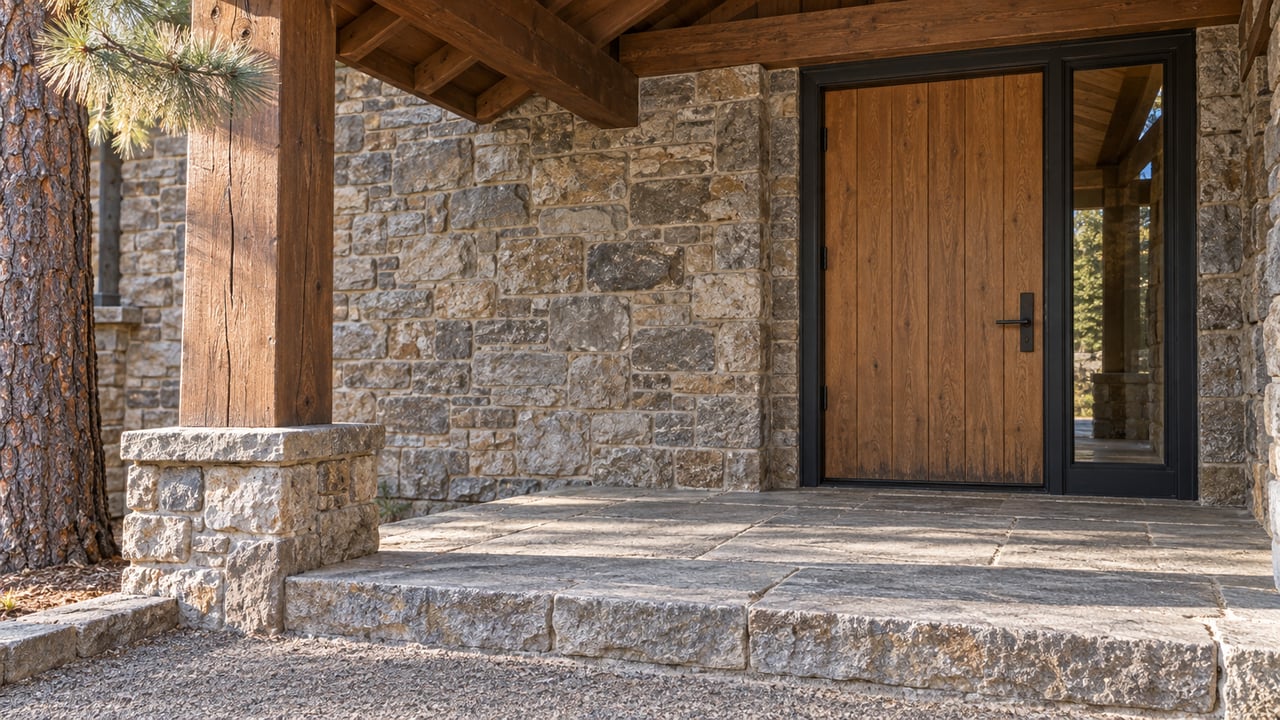
Begin your preparation outside. Walk the property with fresh eyes. Look at the driveway and the approach to the home, the fencing, the condition of any outbuildings or structures, and the immediate landscaping around the foundation. Buyers make emotional decisions about acreage properties within the first few minutes of arrival, and first impressions on larger lots are largely driven by what they see during that initial approach.
Pasture grasses, native plantings, and rugged terrain are part of the character of these properties, so the goal isn't to make the land look manicured in a suburban sense. It's to make it look cared for and intentional. Clear brush where it has overtaken trails or paths, repair any fencing that shows significant wear, and address any drainage issues or erosion that might raise practical concerns in a buyer's mind.
Priority Areas to Address Before Listing
- The driveway and entry path should be clean, defined, and free of debris so that buyers arrive with a sense of arrival rather than uncertainty.
- Outbuildings, barns, and sheds should be tidied and, where possible, organized to suggest utility rather than storage overflow.
- Any areas of the land with natural lookout points or elevated terrain should be made accessible and clearly visible so buyers can experience the views firsthand.
- Fencing should be repaired or freshened, as it frames the property visually and affects how buyers perceive the boundaries and scale of the lot.
- Mature trees should be limbed up where needed to open sightlines and allow light to move through the property.
Frame the Mountain Views Intentionally
Mountain views are the headline feature of most Colorado foothills properties, and staging should ensure that every room with a view perspective is arranged to showcase it. This sounds obvious, but it's surprisingly easy to undermine a great view with the wrong furniture placement, window treatments that block light, or clutter that draws the eye inward rather than outward.
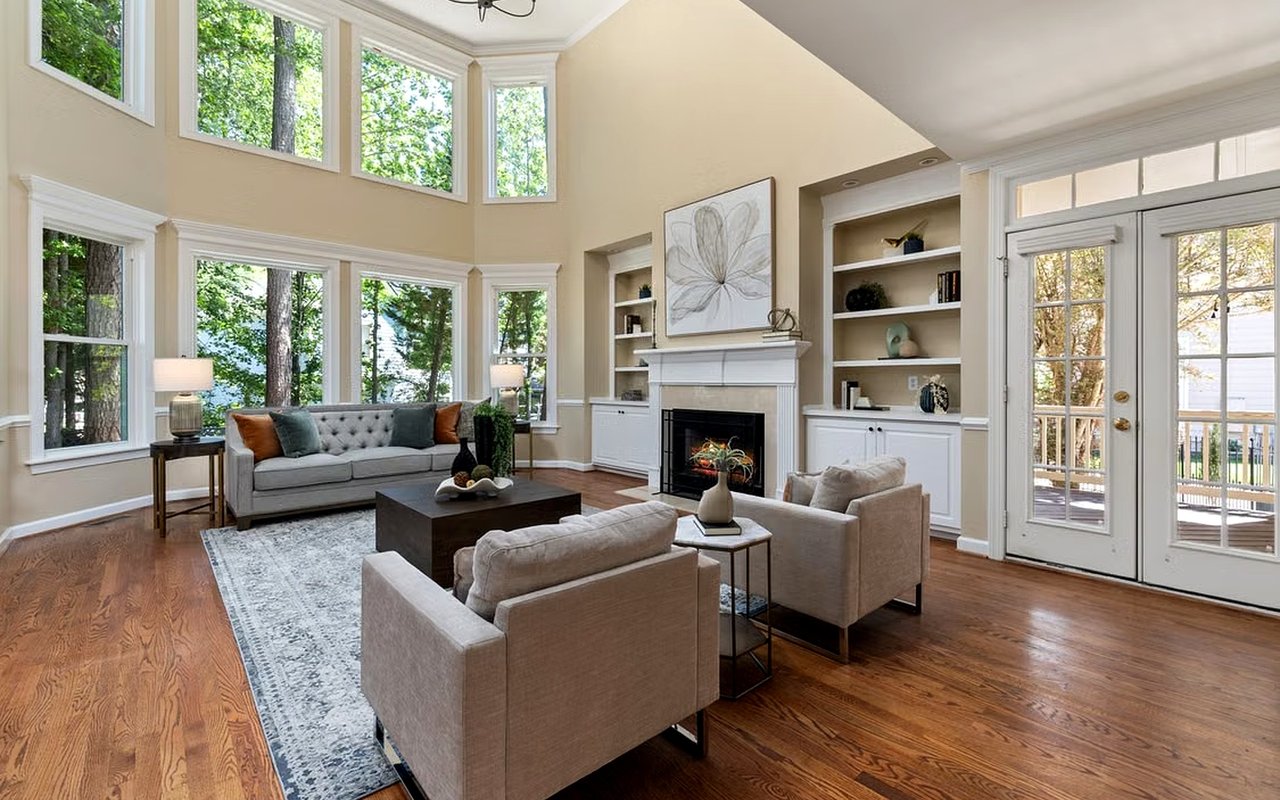
In rooms that face the mountains or overlook the property, pull furniture away from the windows rather than pushing it against them. Arrange the seating so that sight lines run toward the glass. Remove heavy drapes or replace them with sheer or simple panels that let natural light flood into the room and keep the view visible throughout the day. The goal is for the mountain view to feel like a living element of every room that has one, not a backdrop you notice only when you walk up to the glass.
Pay close attention to what is visible from each window during the photography and showing process. Even a single cluttered countertop or a piece of furniture placed too close to a window can pull the eye away from a stunning panorama. During the photo session and during showings, ensure that every window is clean and that the view is unobstructed.
Interior Adjustments That Amplify Views
- Remove any window treatments that block natural light or create visual heaviness; opt for simple sheers or leave windows bare in rooms with compelling views.
- Arrange primary seating to orient toward windows and views rather than toward televisions or interior walls.
- Use mirrors strategically to bounce mountain light deeper into the home and expand the visual sense of the space.
- Keep window sills and surrounding surfaces completely clear so that nothing competes with what's beyond the glass.
- Ensure window glass is cleaned inside and out before photography and every showing.
Use a Nature-Inspired Palette to Anchor the Interior
Homes with acreage and mountain views benefit enormously from interiors that feel like a natural extension of the landscape outside. When a buyer steps inside and encounters a palette of warm greens, stone tones, deep creams, and weathered natural textures, the transition from exterior to interior feels cohesive. When they step inside and find bold colors, glossy surfaces, or heavily decorative interiors, there's a visual disconnect that subtly undermines the property's strengths.
This doesn't mean the home should feel rustic or dated. It means making intentional choices about color, texture, and material that align with the natural environment. Consider swapping out any accent pieces in colors that feel urban or trendy in favor of natural linen, leather, wood, and stone. Use throws and pillows in earthy tones. Remove anything that feels particularly period-specific or that draws attention to design choices over the bones of the home.
If your property has hardwood floors, exposed beams, stone fireplaces, or wood-paneled walls, these are features to highlight, not minimize. These architectural elements are precisely what buyers in this market are seeking, so the staging strategy should work with them and let them read clearly in photographs and in person.
Materials and Textures That Work Well
- Natural linen, cotton, and wool in soft neutrals create warmth without competing with the landscape.
- Wood, stone, and leather accessories ground the interior and reinforce the property's connection to its setting.
- Area rugs in muted earth tones anchor living areas without introducing color that clashes with the views.
- Live greenery and simple dried arrangements bring an organic quality indoors that resonates with buyers drawn to land and open space.
- Minimal, curated bookshelves and open shelving with a few intentional objects photograph better than full or styled shelving.
Style Outdoor Living Areas as Functional Spaces
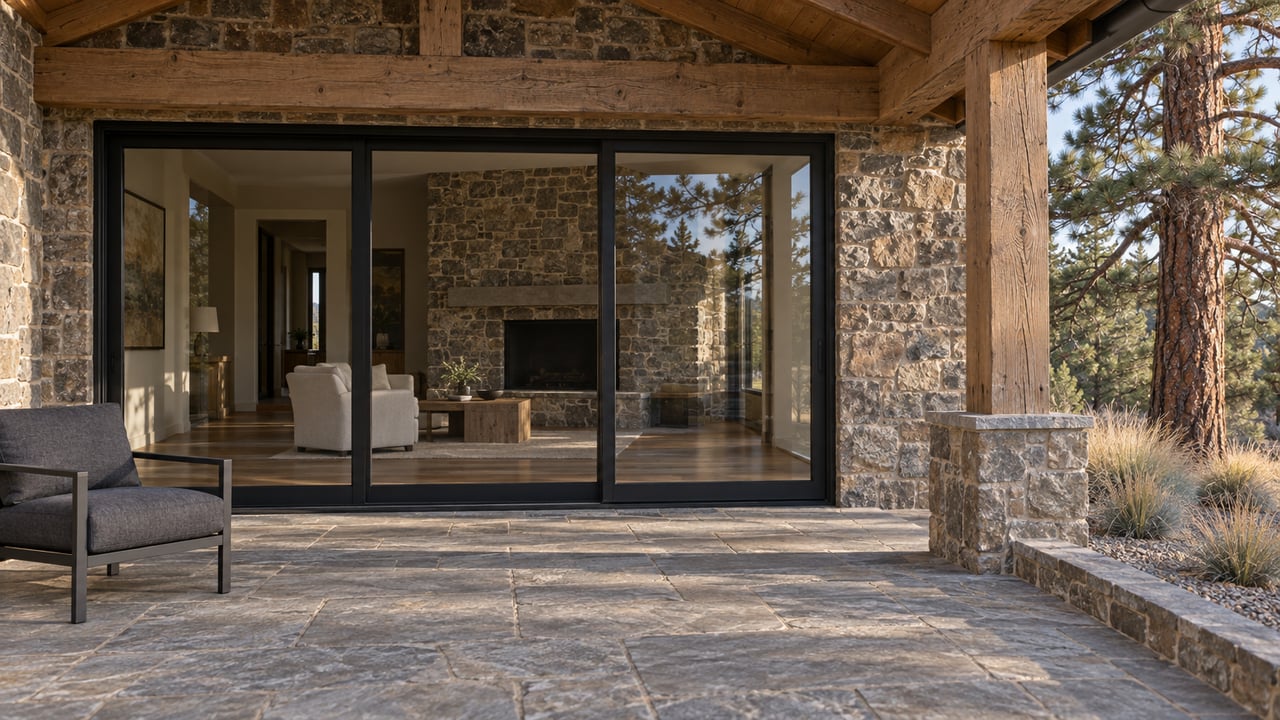
On an acreage property, outdoor living areas carry a lot of weight in the buyer's perception of value. A covered porch, a patio, a fire pit area, or a barn with a gathering space should all be staged as intentionally as any room in the home.
For decks and patios with mountain views, use outdoor furniture arrangements that position the seating toward the views. A dining table and chairs set for a dinner with the peaks in the background, or a pair of chairs with a side table positioned to look out over the acreage, tells a powerful story about what daily life on this property looks like. Keep outdoor furniture in good condition and replace or remove any pieces that show significant wear, fading, or damage.
If the property has a fire pit area, make it feel ready to use. A tidy arrangement of seating, a few split logs, and simple styling is enough to make the space read as a destination rather than an afterthought. The same applies to any entertaining areas on the grounds. These spaces are often where buyers mentally close on a property, so they deserve as much attention as the kitchen and primary suite.
Outdoor Staging Essentials
- Stage primary decks and patios with clean, well-maintained furniture arranged to face the mountain views or the most scenic portion of the property.
- Fire pit areas should be cleared, styled simply, and positioned so they feel intentional rather than incidental.
- Any outbuildings used for entertaining or gathering should be swept out, organized, and shown with adequate lighting.
- Pathways between the home and key outdoor areas should be clear and, where possible, defined with a simple edge or border.
- Exterior lighting should be checked and functioning, as evening showings and twilight photography can be powerful tools for mountain properties.
FAQs
How Is Staging an Acreage Property Different from Staging a Standard Home?
The scope is significantly larger. In addition to preparing and styling the interior, sellers need to address the condition and presentation of the land, outbuildings, fencing, pathways, and outdoor living areas. The approach to furniture placement is also different, with mountain views functioning almost as a structural element that the staging should frame and highlight.
How Important Is Photography for Homes with Acreage and Mountain Views?
Extremely important. Properties with significant land and views require more than a standard real estate photo session. Drone photography captures the scale of the lot and the relationship of the home to the mountains. Twilight images can highlight the quality of the views and the warmth of the property at golden hour. These images are often what motivates a buyer to schedule a showing, so the photography investment directly affects how much traffic your listing generates.
Your Mountain Property Deserves a Strategic Introduction to the Market
Selling a home with acreage and mountain views is a remarkable opportunity, and the preparation you put in before listing directly shapes the price you achieve and the time it takes to get there. Buyers who are drawn to this type of property are not just purchasing a home; they're purchasing a landscape, a pace of life, and a perspective that most people spend decades working toward. When your property is staged to communicate all of that, the right buyer recognizes it immediately.
The Michael Turner Team at LIV | Sotheby’s International has vast experience working with Colorado properties where the land and the views are as important as the home itself. We understand what buyers in this market are looking for, how to position your property to stand out, and how to guide the preparation process so your listing makes the strongest possible impression. When you're ready to take the next step, we'd love to help you get there.