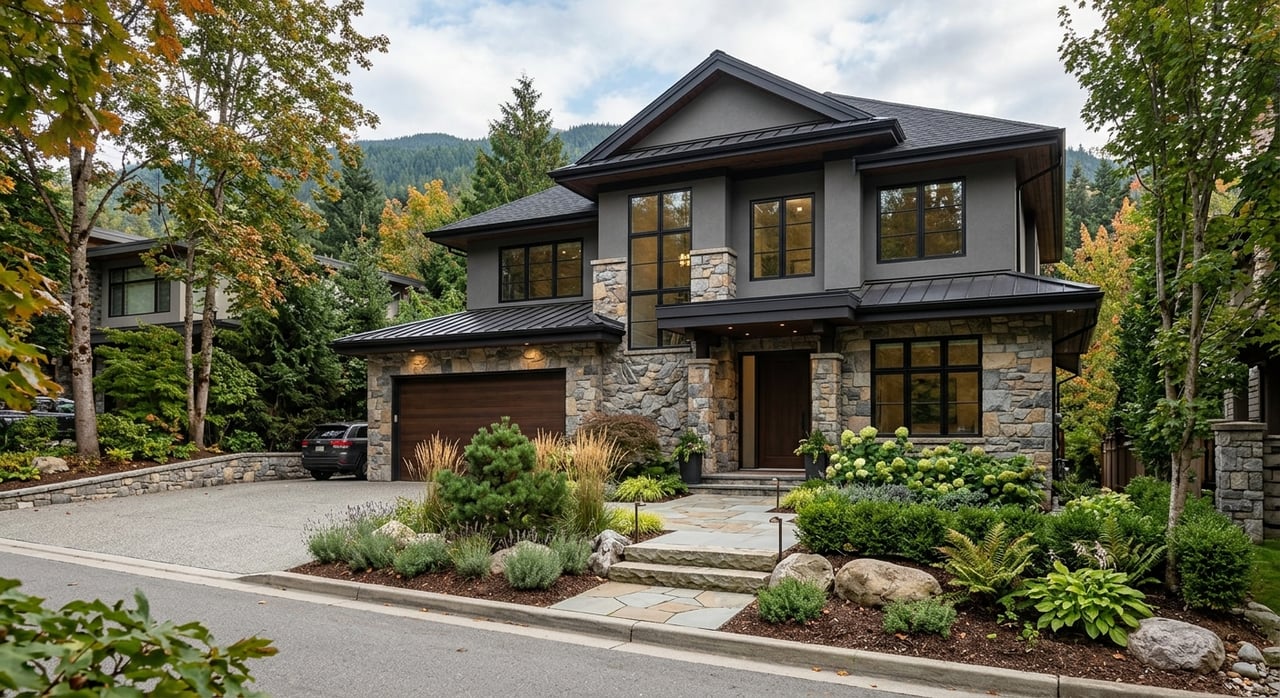
Are you picturing a home in Castle Rock but torn between a neighborhood packed with amenities and a property that gives you more space and independence? That choice is common here, especially as Castle Rock continues to grow and attract buyers with very different lifestyle goals. If you are weighing a master-planned community against a more rural home on the outskirts, this guide will help you compare the tradeoffs that matter most. Let’s dive in.
Why this choice matters in Castle Rock
Castle Rock had an estimated population of 83,815 as of July 1, 2025, and it offers a mix of in-town neighborhoods and more rural Douglas County properties. The town also functions as a full-service municipality, providing police, fire, parks, recreation, road maintenance, stormwater, wastewater, and water service. That makes the ownership experience inside town limits very different from what you may find outside them.
Castle Rock also offers a strong outdoor lifestyle. The town manages 104 miles of trails, 25 parks, and more than 4,000 acres of open space, with local partners helping expand access to more than 130 miles of trails and over 6,900 acres in town. Whether you prefer a neighborhood trail system or a larger parcel with a more open feel, your day-to-day lifestyle can look very different depending on where you buy.
What master-planned living looks like
In Castle Rock, master-planned communities often center on shared amenities, connected trails, and common-area maintenance. These neighborhoods are usually designed to give you a more structured ownership experience with built-in recreation and community infrastructure. For many buyers, that convenience is a major draw.
Examples across Castle Rock show how amenity-rich these communities can be. Terrain advertises two resident-use pools, a clubhouse, a dog park, trails, and a bike connection to regional open space. Crystal Valley highlights a resident-only recreation center with a pool, fitness center, group classes, community programming, plus miles of trails and open space.
Macanta takes a similar approach with a strong amenity package. Its materials emphasize 1,000 acres of open space, a 450-acre regional park, 13 miles of mountain bike trails, and The Spoke, which includes a pool, fitness space, and co-working space. If you want recreation and shared spaces close to home, this style of neighborhood may fit well.
Common benefits of master-planned communities
A master-planned community may appeal to you if you want:
- Shared amenities like pools, fitness spaces, trails, and clubhouses
- Common-area maintenance built into the ownership model
- A more predictable neighborhood structure
- Easier access to municipal-style infrastructure in many cases
- A lifestyle that feels organized and convenient
That does not mean every community works the same way. Amenity access, rules, and fees can vary, so it is important to review the details for any specific neighborhood you are considering.
What to review before you buy
Many of these neighborhoods are governed by homeowners associations, and some also involve metro districts. That means community rules, dues, and governing documents carry real weight in your purchase decision. In a master-planned setting, the paperwork often matters more than it would with a non-HOA rural property.
Colorado’s Division of Real Estate advises HOA buyers to review governing and financial documents. Recent state legislation also requires metro-district seller disclosures explaining the district’s authority to issue debt, levy property taxes, and impose fees, rates, tolls, penalties, or other charges. If you are comparing monthly affordability, those items should be part of the picture from the start.
What rural living looks like near Castle Rock
A rural home on the outskirts of Castle Rock offers a different ownership model. Instead of shared amenities and centralized systems, you may be trading those features for privacy, flexibility, and a more self-directed property experience. For some buyers, that tradeoff is exactly the point.
It is also important to understand that a Castle Rock mailing address does not always mean a home is inside town limits. Some unincorporated rural parcels still use a Castle Rock mailing address even though they are outside the town boundary. That distinction can affect services, regulations, and what you are responsible for as an owner.
Utilities can be more hands-on
One of the biggest differences is utility service. If a home is inside Castle Rock Water’s service area, water, wastewater conveyance, and stormwater service can be municipal and follow the town’s tiered water-rate and budget structure. Some extra-territorial subdivisions are served even if they are not annexed, though those areas may be subject to different regulations and rates.
In more rural parts of Douglas County, the setup is often very different. The county does not provide water services in rural areas, so many homes rely on domestic wells that require a state permit. Sewer service at lower densities is generally handled through OWTS or septic systems, and the county requires permits for new systems, repairs, and some sales.
Roads and access need closer attention
Rural ownership can also mean more responsibility for access and maintenance. Douglas County says many rural roads are private or not county-maintained, so residents may need to handle grading, snow plowing, or paving. Some properties may also have only one way in and out.
That can affect convenience, long-term cost, and emergency planning. The county also notes that driveway permits are required with building permits, and emergency response can be significantly slower in some rural areas. If easy access is high on your priority list, this is worth weighing carefully.
Connectivity may not be equal
Many buyers assume internet, cell service, and deliveries will work the same everywhere. In rural Douglas County, that is not always the case. The county specifically warns that rural residents may face limited internet and cellular service, and mail or parcel delivery can be difficult.
If you work from home, travel often, or depend on reliable deliveries, these practical details matter. A beautiful setting can still be the right choice, but it should match how you actually live day to day.
Wildfire and site planning matter more
Wildfire risk and land-specific due diligence are major parts of buying a rural property. Douglas County says defensible space can lower risk, but it does not eliminate it. The county also evaluates driveway access, building site location, building materials, and defensible-space requirements before issuing permits in wildfire hazard areas.
The county advises buyers to verify survey pins, legal and physical access, water rights, pending land-use projects, annexation possibilities, and whether land qualifies for agricultural assessment based on actual use rather than zoning. These are not small details. They can shape both your ownership costs and your long-term plans for the property.
Master-planned vs. rural at a glance
The real decision in Castle Rock is often less about town versus country and more about the ownership model that fits your priorities. One option offers shared infrastructure and amenities. The other offers more autonomy but usually requires more property-specific due diligence.
| Factor | Master-Planned Community | Rural Home on the Outskirts |
|---|---|---|
| Lifestyle | Shared amenities and neighborhood structure | More privacy and self-directed living |
| Rules | Often HOA rules and community documents | Fewer neighborhood rules, but more site-specific responsibilities |
| Costs | Dues and possible metro-district taxes or fees may apply | Utility, road, and property upkeep may be more owner-driven |
| Utilities | Often tied to municipal-style service areas | Often wells and septic systems |
| Access | Usually more standardized | May include private roads or limited access |
| Emergency response | Typically tied to town-style service patterns | Can be significantly slower in some areas |
| Due diligence | Focus on documents, fees, and amenity structure | Focus on land, utilities, access, permits, and wildfire planning |
Questions to ask yourself first
Before you tour homes, it helps to get clear on what kind of ownership experience you want. The right answer is not the same for every buyer. It depends on how you want to spend your time, what responsibilities you are comfortable taking on, and what tradeoffs fit your budget.
Ask yourself these questions:
- Do you want shared amenities and a more rules-based environment, or more privacy and self-managed property care?
- Are you comfortable paying HOA dues and possible metro-district taxes or fees in exchange for neighborhood amenities and maintenance?
- Would you rather have municipal water and sewer if available, or are you prepared to manage a well and septic system?
- Are slower emergency response times, private-road upkeep, or wildfire mitigation obligations acceptable tradeoffs?
- How much does future development near the property matter to you?
These questions can quickly narrow your search. They also help you avoid falling in love with a home that does not fit the way you want to live.
A note on schools and service areas
For families comparing locations, Castle Rock is primarily served by the Castle View High School feeder and the Douglas County High School feeder, according to Douglas County School District. School attendance and assignment details can vary by address, so a specific home should always be checked individually.
This is another reason mailing address alone is not enough. A property with a Castle Rock address may still sit outside town limits, which can affect both service patterns and the details you will want to confirm during your search.
Which option fits you best?
If you want a home where amenities, trails, and neighborhood structure are part of daily life, a master-planned community may be the better fit. You may appreciate the convenience, shared upkeep, and built-in recreation, especially if you prefer a more predictable ownership experience.
If you value privacy, flexibility, and more control over your property, a rural home may be worth the extra due diligence. You may gain space and independence, but you should be ready to evaluate utilities, access, wildfire considerations, and long-term property responsibilities with care.
In Castle Rock, both paths can be great choices. The key is matching the property to your lifestyle, your risk tolerance, and the level of complexity you are willing to manage. If you want experienced guidance on comparing neighborhood living with acreage-style ownership in Douglas County, Michael Turner can help you evaluate the details that matter most.
FAQs
What is the difference between a Castle Rock master-planned community and a rural home?
- A master-planned community usually offers shared amenities, HOA governance, and a more structured ownership model, while a rural home typically offers more privacy and independence but requires more owner-managed due diligence.
Do Castle Rock master-planned communities usually have HOA fees?
- Many do, and buyers should also be aware that some communities may involve metro districts with taxes, fees, or other charges disclosed by the seller.
Do rural homes near Castle Rock usually have city water and sewer?
- Not always. In rural Douglas County, many homes rely on domestic wells and OWTS or septic systems rather than municipal water and sewer service.
Are all Castle Rock addresses inside Castle Rock town limits?
- No. Some unincorporated rural parcels may use a Castle Rock mailing address even when they are outside town limits.
What should buyers check before buying a rural property in Douglas County?
- Buyers should review access, road maintenance, well and septic setup, wildfire mitigation considerations, survey pins, water rights, pending land-use projects, annexation possibilities, and any agricultural assessment questions tied to actual use.
Which Castle Rock home type is better for buyers who want amenities?
- Buyers who want pools, trails, clubhouses, fitness spaces, and common-area maintenance may prefer a master-planned community over a rural property.